
FUNCTION & FEELING
My Story
I didn’t start with homes. I started with how they feel.
People often apologise when you walk into their house. “Sorry about the mess.” “Please ignore that.” “We haven’t had time.” I’ve always found that interesting. Not because of what’s there, but because of what sits underneath it. The shame. The frustration. The quiet sense that the space they live in doesn’t quite match the life they’re trying to live.
And sometimes the opposite is true. Some people genuinely love their homes. Their collections. Their layers. Their abundance. When that works, I’m the first to say: don’t change a thing.
The signal for me has never been how a home looks. It’s how it costs you to live in it.
WHEN LIFE CHANGES
Homes don’t automatically catch up.
For a long time, my own home worked beautifully for me. I had time. I enjoyed tweaking layouts, playing with colour, adjusting systems, refining how things flowed. My home evolved with me because I had the capacity to let it.
Then I had children. And suddenly, all that spare time disappeared.
What I realised very quickly was that my pre-children home wasn’t failing. It simply wasn’t designed for the life I was now living. The pace was different. The priorities were different. The energy available was different.
Most overwhelm I see has nothing to do with laziness or failure. It’s a design problem.
A HOME SHOULD SUPPORT YOU
“If your home drains energy, then something isn’t working.”
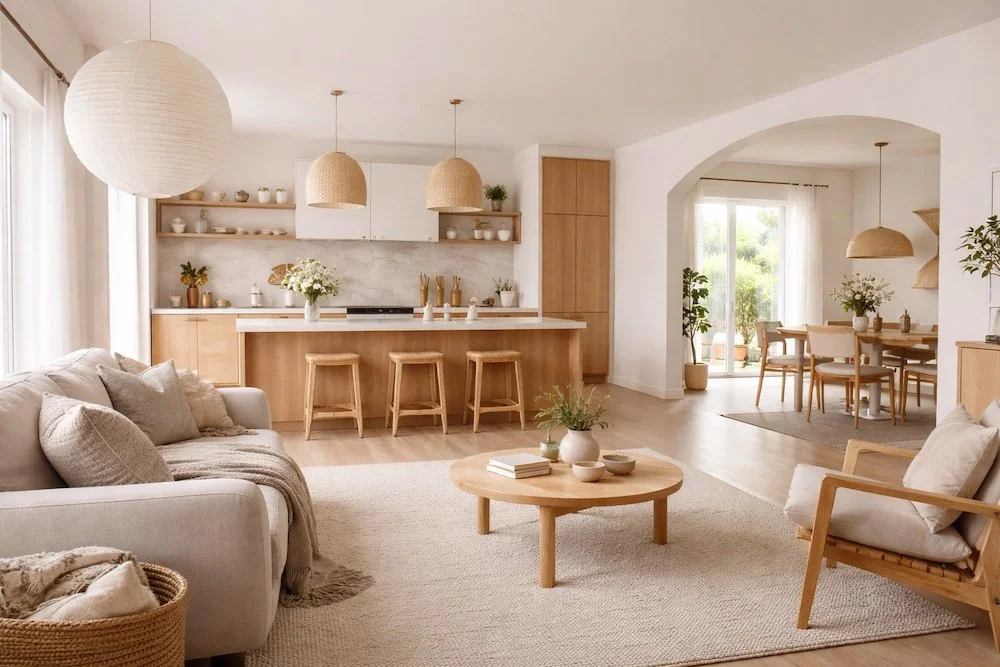
WHERE COMFORT MEETS INTENTION
Design. Systems. Behaviour. Real life.
Even as a child, I couldn’t turn it off. I would walk into cafés, shops, and public spaces and instantly start rearranging them in my head. Why is the counter there? Why does this feel awkward? Why does this corner feel exposed? Why does this room feel calm even though it’s busy?
Later, I studied design and finally found the language for what I instinctively knew. Colour theory. Spatial relationships. Proportion. Flow. Why certain things feel off even when they look fine. Why others work effortlessly.
Alongside that, I built a corporate career rooted in efficiency and process. I was always the person asking: how can this work better? Where is the friction? What can be simplified?
“This combination is my strength. Design. Systems. Behaviour. And deep empathy for real life.”
WHAT I BELIEVE ABOUT HOMES
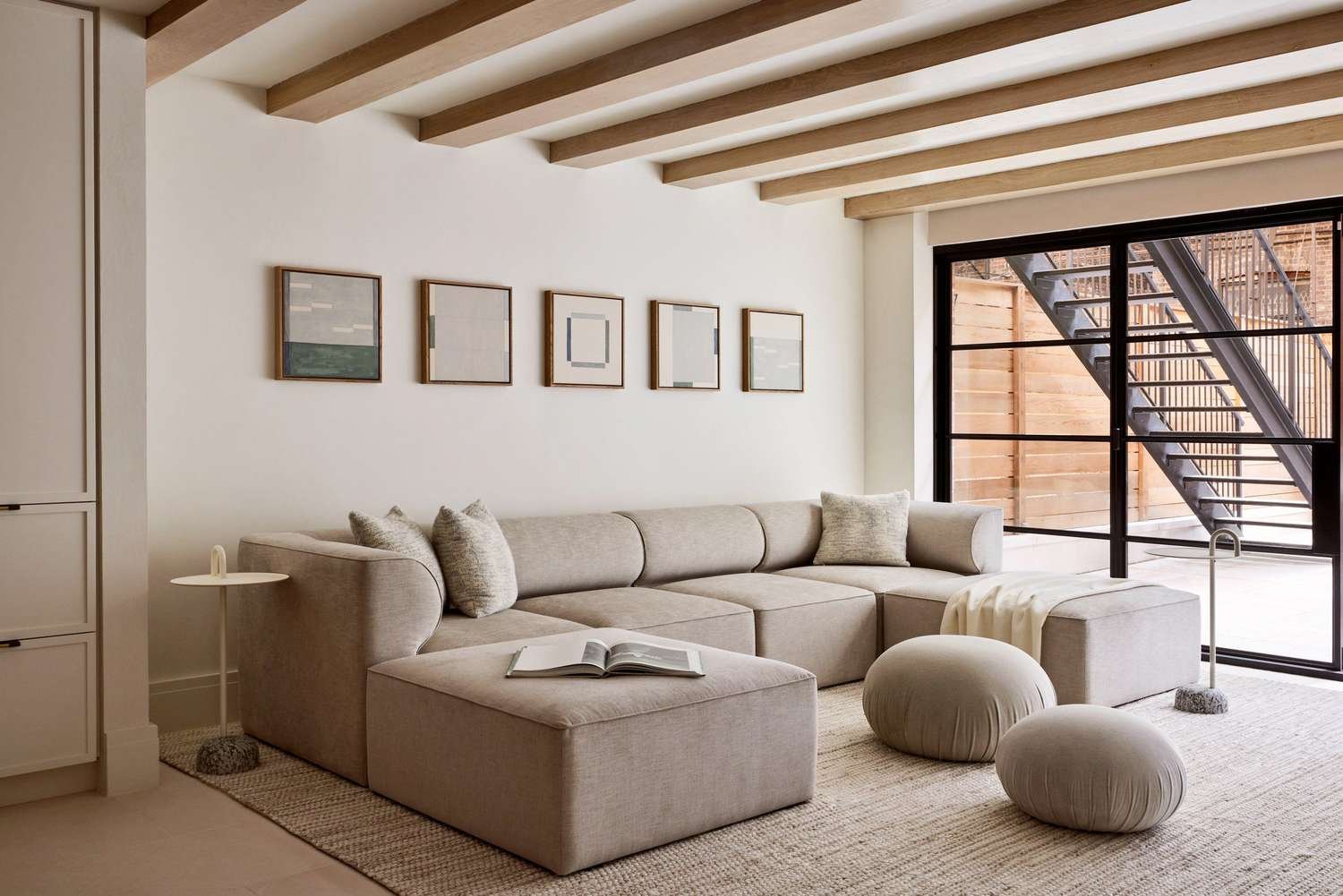
Function first. Beauty that lasts..
Homes should function before they look good
Aesthetics without function fail people. They photograph well and exhaust you quietly.
Perfect homes are a fantasy
Homes are lived in. A good home resets easily, adapts well, and gives more than it takes.
Function first doesn’t mean boring
It means intelligent. It means designing around how you actually move, think, rest, cook, clean, and live.
WHAT WORKING WITH ME CHANGES
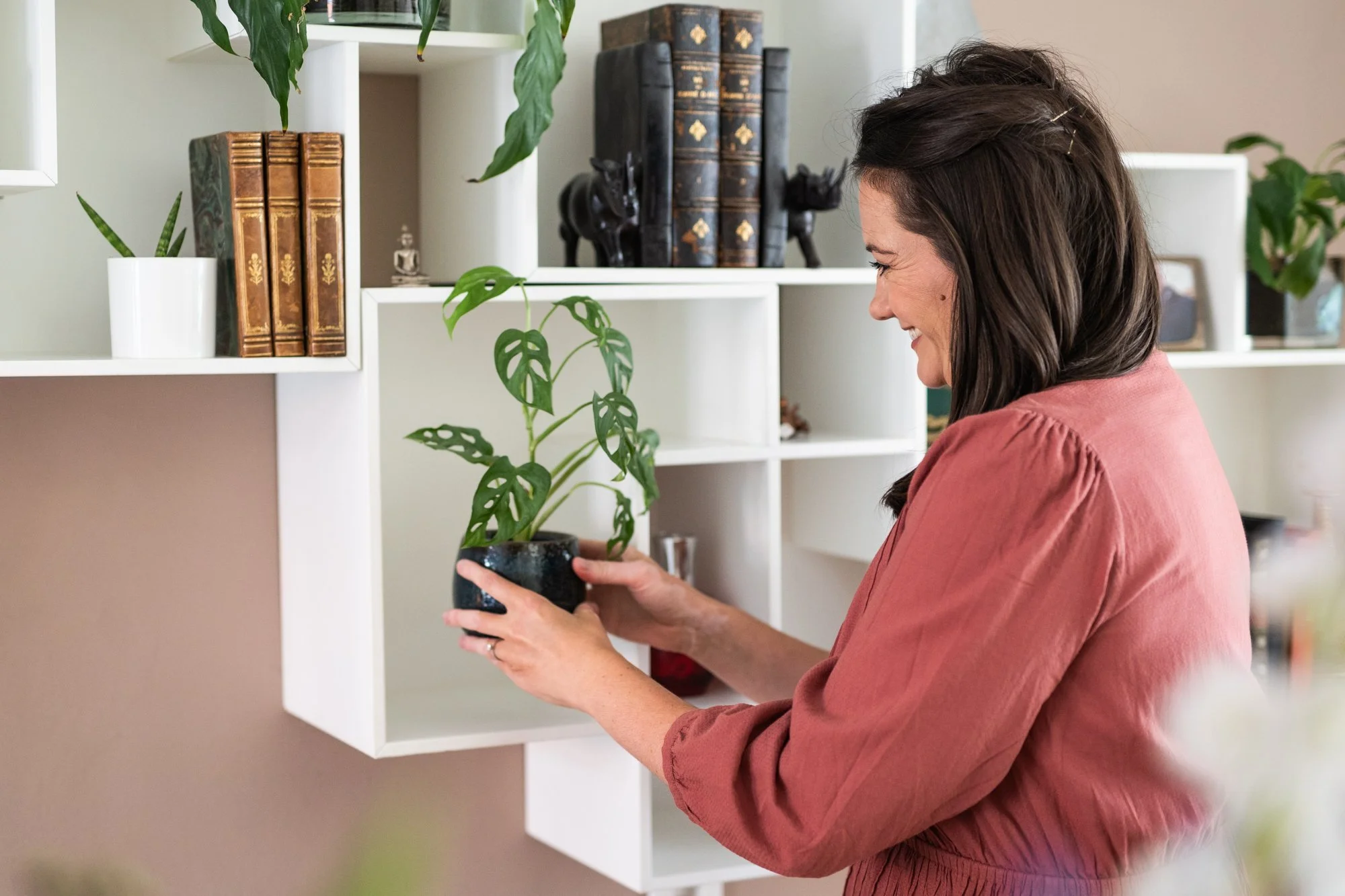
Less friction.
More ease. More home.
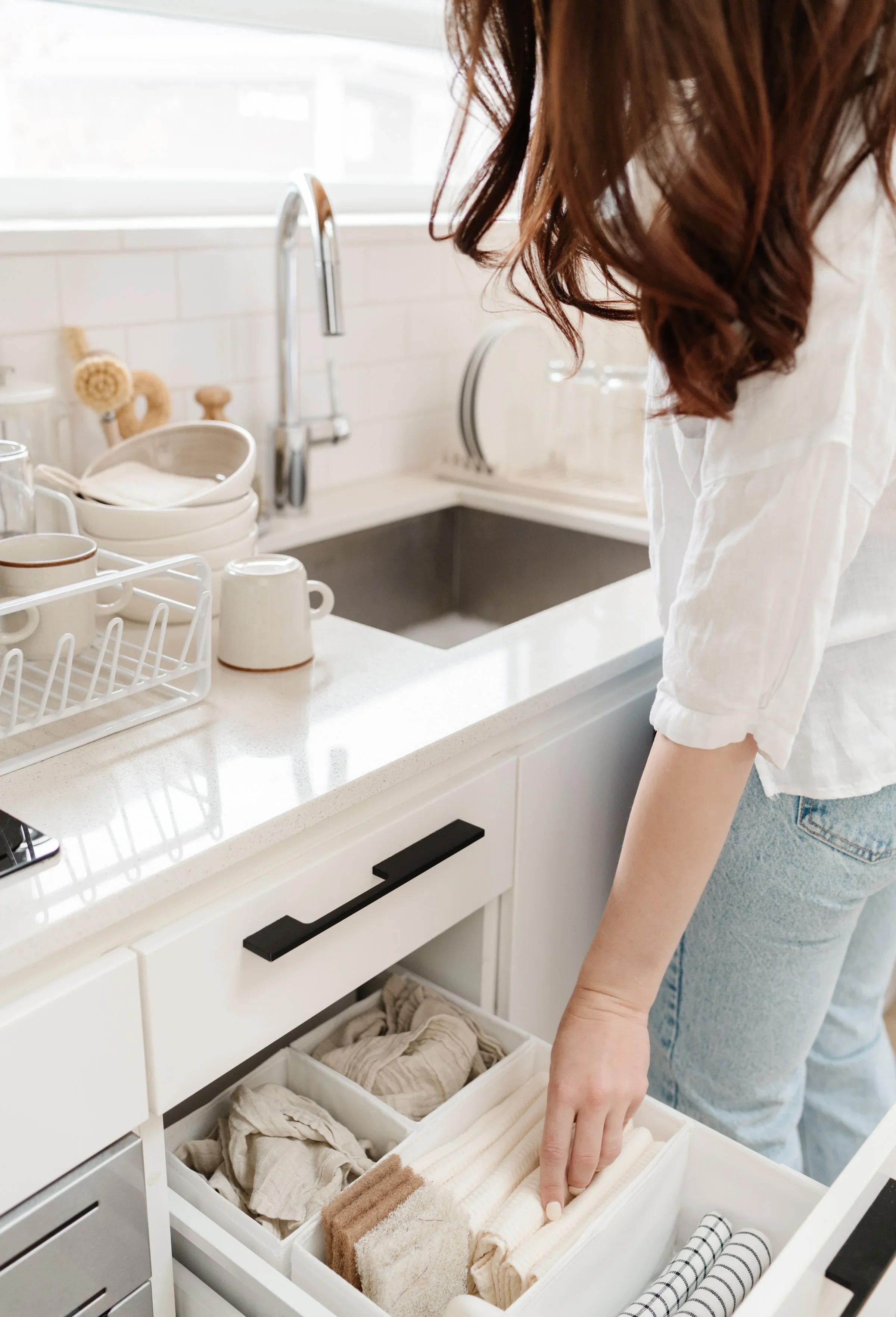
Mental load drops because decisions disappear. Things have a place that makes sense, so surfaces stop turning into shame zones. Tidying takes less time, which means more space for family, rest, or doing nothing at all.
Mental load drops
Surfaces stop becoming stress zones
Tidying takes less time
Rooms feel inviting again
Tension in the household eases
You stop thinking you need to replace everything
AS FEATURED IN
Trusted conversations, thoughtful press,
practical expertise.

A FINAL THOUGHT
This work isn’t about changing who you are.
I won’t force you to live differently. I won’t promise instant transformation. And I’m not interested in surface-level fixes.
What I do is work with the way you already live, and design systems and spaces that support you properly. If you work with me, you’ll realise your home was never the real problem. The problem was the setup you inherited, adapted to, and were expected to cope with indefinitely. And once that changes, everything else has room to breathe.