
Setting Up a System That Actually Works: Simple Steps to Get Organised and Stay That Way
You’ve decluttered, tidied, maybe even bought a few matching containers—but things still seem to unravel after a few days or weeks. Sound familiar?
Here’s the truth: organisation isn’t a one-time event. It’s a system—and like any good system, it needs structure, clarity, and a trial period before you commit. Whether you’re tackling a cluttered cupboard or rethinking your entire entryway, the steps you take now will determine whether your system sticks or slips.
Here’s how to set up a functional, flexible system that genuinely supports your daily life.
1. Choose Your Area or Zone
Don’t try to organise your whole home in one go. Start small and be specific. A single drawer, cupboard, shelf, or closet is enough. Pick a space that causes daily friction—where you’re constantly losing things, stacking piles, or feeling frustrated.
Pro tip: If you feel resistance, that’s probably the perfect place to start.
2. Declutter That Zone – Be Intentional About What Stays
Before you organise, you need to edit. Pull everything out and ask yourself:
Do I use this regularly?
Do I truly need it here?
Decluttering is the foundation of every good system. Keep only what adds value to the function of that zone. When in doubt, remember: every item should earn its space.
3. Use Temporary Storage - Cardboard Boxes Are Fine!
Don’t rush into buying bins or containers. Use what you already have—cardboard boxes, baskets, shoe boxes, chinese takaway containers or even old jars. The goal is to test your layout and categories before you invest.
This is the draft phase of your system. Like a rough sketch before the painting, it gives you flexibility and room to adjust.
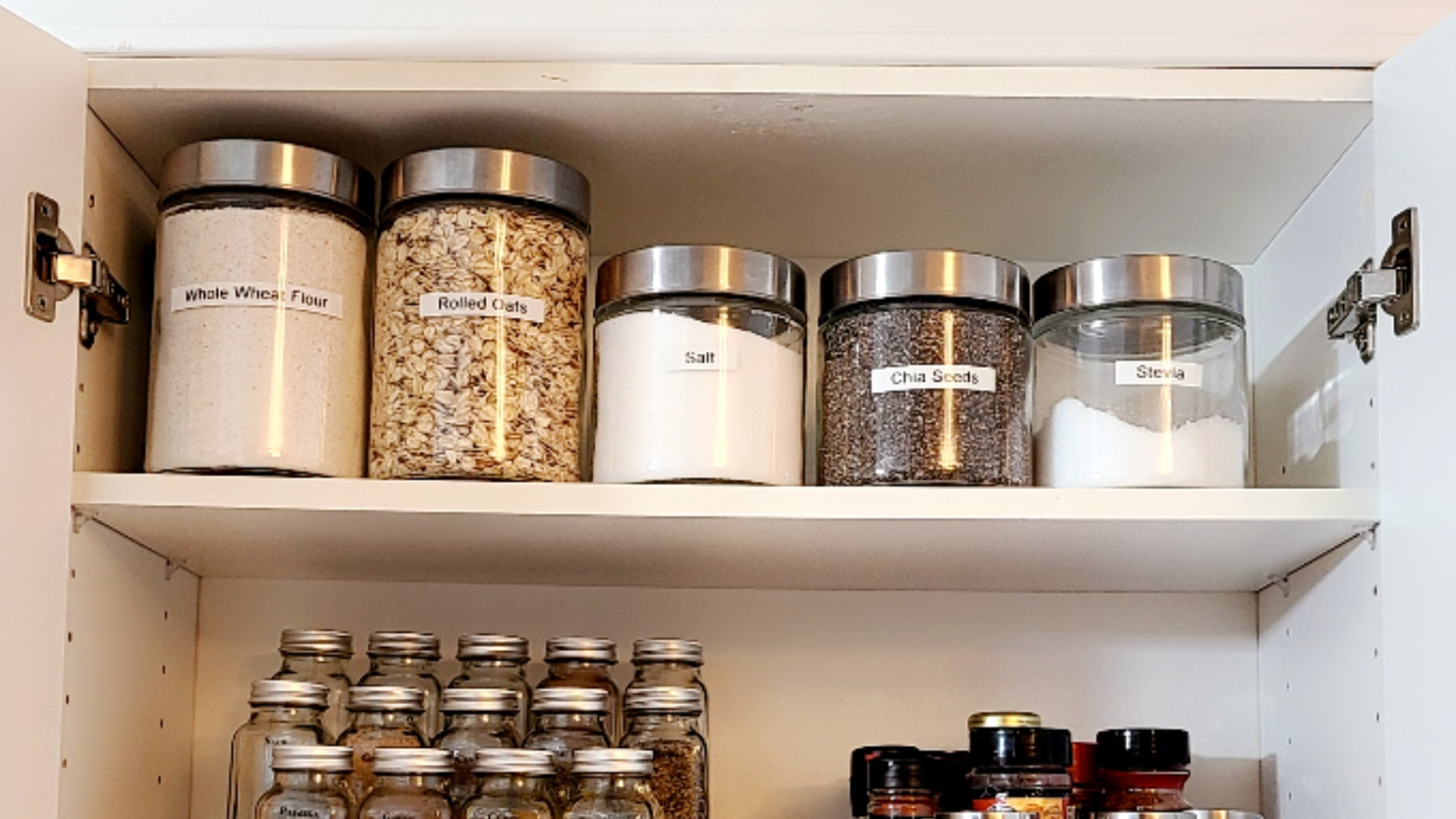
4. Communicate & Label It
Label what goes where. Even if it’s just you using the system, clear labels reduce decision fatigue and help you stay consistent. If others share the space, labels create accountability and clarity.
Your labels don’t have to be fancy—handwritten on a piece of painters tape is fine. Just make them visible and easy to understand.
5. Practice It in Your Daily Routine (Aim for 60 Reps)
James Clear, in Atomic Habits, says it takes about 60 repetitions for a new habit to stick. That applies to organisation too. A system won’t feel automatic until you’ve used it daily for a few weeks.
Keep using the system—even if it’s clunky at first. Notice where it flows and where it frustrates. This is essential feedback.
6. Evaluate the System
After a few weeks, ask:
Is this system easy to maintain?
Am I using it consistently?
Is anything still landing in a “junk pile”?
Does everyone in the household understand how it works?
If it’s not working, tweak it. Maybe the labels need to be clearer, the layout more intuitive, or an item needs relocating. Let the system evolve with you.
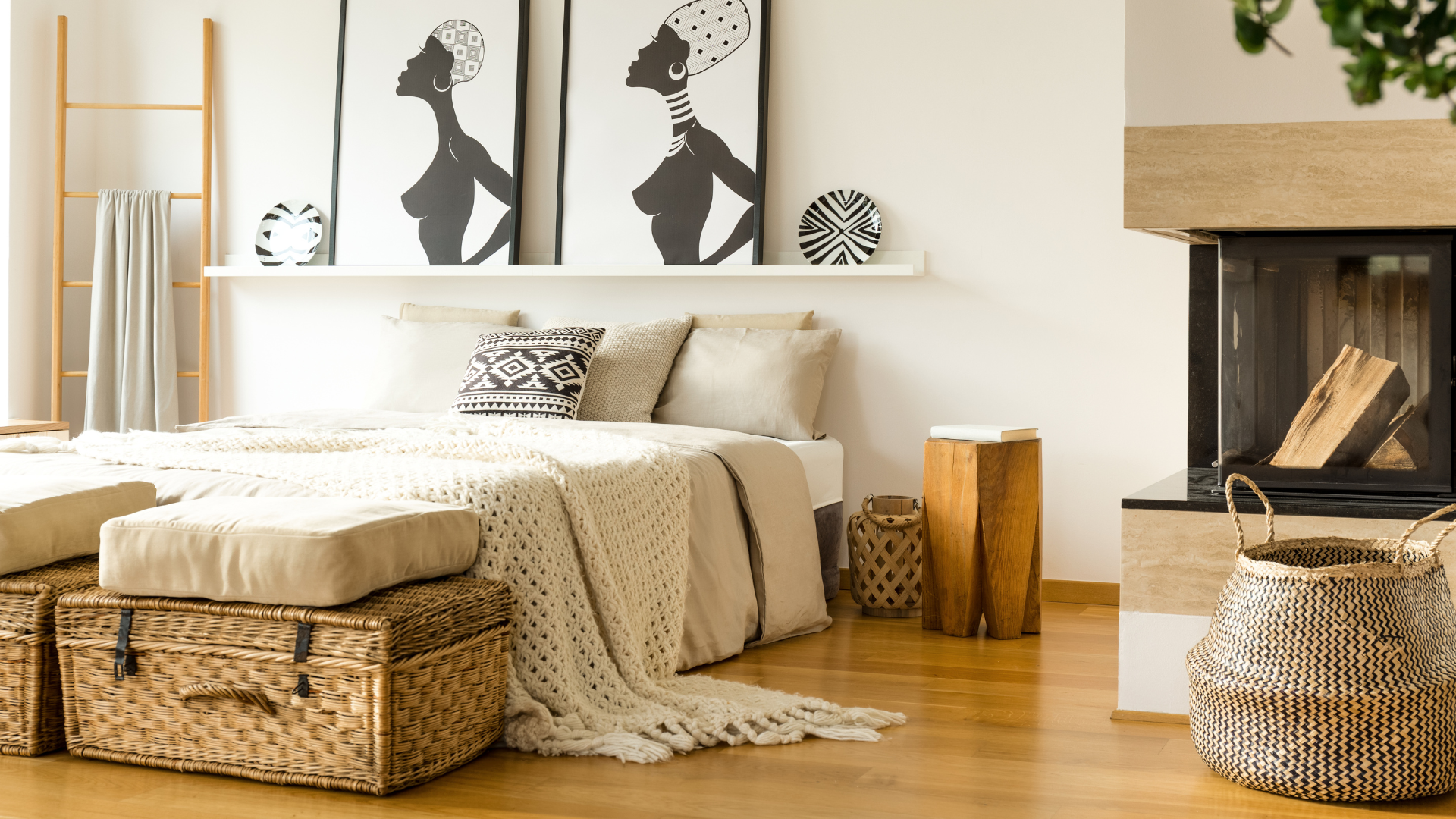
Only THEN: Invest in Beautiful Containers
Once you’re confident the system works—then you can upgrade the aesthetics. Investing in nice containers should be the reward, not the starting point. When form follows function, your space won’t just look good—it will work well too.
Remember:
Setting up a system isn’t about perfection—it’s about progress. By following these steps, you’ll create a space that supports your lifestyle, reduces stress, and brings a sense of calm to your everyday routines.
Start small, stay flexible, and trust the process. Because the best system is the one that works for you.
