
Why Do Organisational Systems Fail? 3 Common Pitfalls That Sabotage Your Space
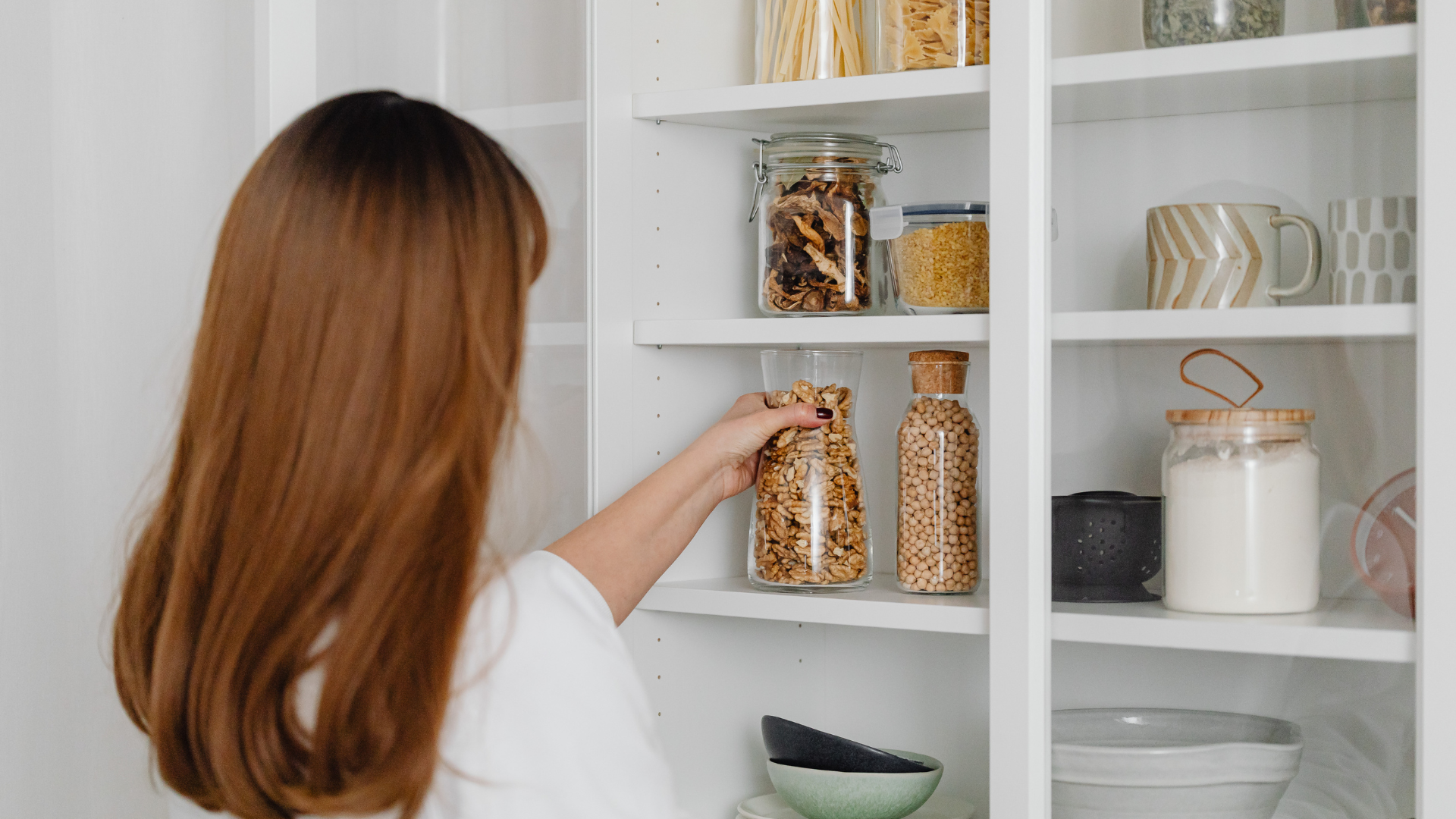
You bought the containers. You labelled the shelves. You even did the late-night Pinterest scroll for inspiration. But a few weeks in, things are already slipping. The drawer’s a mess again. The “system” isn’t being followed. You’re frustrated—and wondering: Why doesn’t this work?
The truth is, most organisational systems fail not because we’re lazy or disorganised—but because the system itself isn’t built to last. In my work as a space coach, I’ve seen it time and again: people with the best intentions fall into three common traps that undo even the most beautifully designed spaces.
Let’s break down the real reasons your system might be failing—and what you can do about it.
1. There’s Simply Too Much Stuff for the Available Space
You can’t organise excess—you have to reduce it.
You can’t store 150 items in a space made for 50. It’s basic physics, and yet we try to defy it with baskets, bins, drawers, and good intentions. But systems aren’t magic—they can’t compensate for clutter.
When a space feels chaotic, the first step isn’t to organise—it’s to declutter. Remove what no longer serves you. Be honest about how much you use, need, and love. Once you’ve simplified, your space will finally be able to support an actual system—and it won’t feel like it’s bursting at the seams.
2. It Takes Too Long to Maintain
If it’s not easy, it’s not sustainable.
A great system should save you time, not steal it. If putting things away requires five steps, two different boxes, and a label gun—you won’t stick with it. And neither will anyone else in your household.
The best systems are quick, obvious, and friction-free. A one-step rule is a great place to start: one step to put it away, one step to find it again. If a system takes too much time or effort, it’s not a system—it’s a stressor. And eventually, it will break down.
Ask yourself: Could I still maintain this when I’m tired, rushed, or distracted?
3. The System is Too Complicated to Remember
If it takes a diagram to explain, it won’t survive real life.
Let’s face it—life is busy. Systems that are too specific, too rigid, or too clever often become unusable over time. Especially if you’re the only one who understands them.
Your home isn’t a warehouse; it’s a living, breathing space used by real people. If your system doesn’t make sense to others—or even to you after a week—it’s too complex.
Organisational success comes from simplicity and clarity. Think broad categories (“snacks” instead of “sweet vs salty”) and intuitive layouts (what you use most should be most accessible). Everyone in the household should know where things go without asking.

So, Remember:
A system is only as strong as its ability to be maintained over time. If yours is failing, it’s not a sign you’ve done something wrong—it’s an opportunity to refine, simplify, and realign with how you actually live.
So before you blame yourself, take a closer look at the system. Does it fit your space? Is it quick to use? Is it clear and intuitive? If not, start there.
Remember: the goal isn’t perfection—it’s ease. A good system supports you. It doesn’t demand more energy from you. And when it works, it works quietly… like a home that just feels good to live in.
