
What I See in Homes Every January
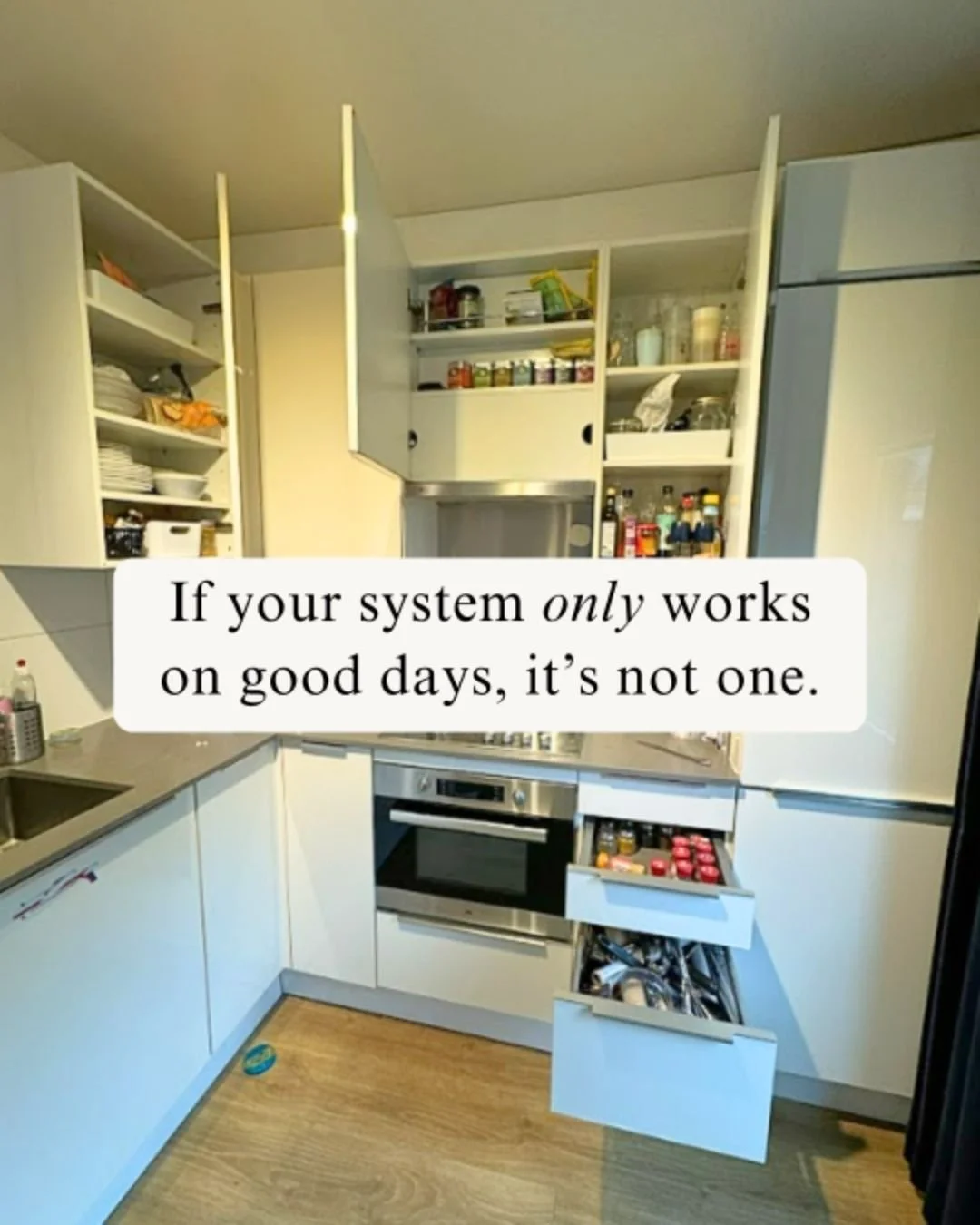
Every January, I walk into homes that look fine on the surface. Decorations are packed away. Clutter is mostly under control. From the outside, it looks like a fresh start should be possible. But what I actually see is something else.
I see unfinished decisions from last year. Systems that were already fragile now under pressure. Homes that technically work, but carry a quiet weight when you live in them. Not because people don’t care, but because they’re tired, overstretched, and coming off the back of an intense season.
This isn’t just anecdotal. Research around decision fatigue consistently shows that after periods of disruption, our capacity to plan, prioritise, and follow through drops. January follows one of the most disruptive times of the year. Routines break down. Mental load spikes. Energy dips. And yet this is the moment we’re told to fix everything. What January really reveals isn’t motivation. It reveals an organisational design flaw.
Homes that rely on memory, constant consistency, or high energy are the first to fall apart. Putting things away starts to feel like effort rather than relief. Systems stop resetting themselves. Small tasks suddenly feel heavier than they should.
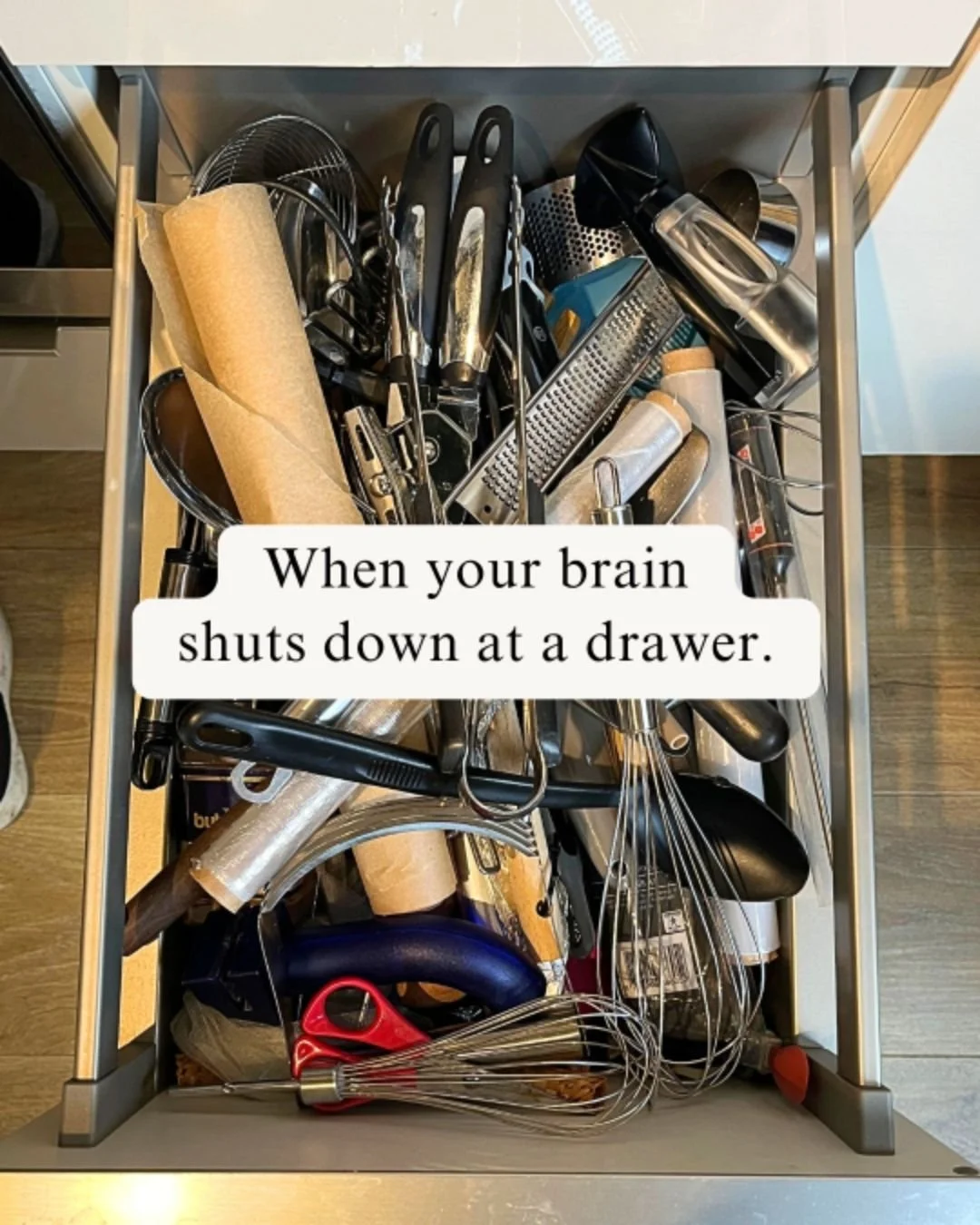
That’s not a personal failure. It’s feedback. This is why I don’t approach January as a time for big, all-at-once change. Not in my own home, and not with my clients.
Instead, I pay attention. To where friction shows up. To which spaces quietly drain energy on an average day. To what stops working first when life gets busy or focus drops. Those moments are data. They tell you exactly where support and better systems are missing.
When people tell me that organising feels hard, I rarely see a lack of effort. I see homes designed for ideal days, not real ones. Systems that assume steady energy, clear focus, and consistent follow-through.
That’s not how life works.
Our homes don’t just hold our things. They shape behaviour. They either reduce decisions or create more of them. They either support low-energy days or make them harder. When a space works with how your brain actually functions, daily life feels lighter. Tasks are easier to start. Follow-through becomes more natural.

January, used well, isn’t about momentum. It’s about noticing patterns.
What do you avoid without realising?
Where does effort pile up?
Which systems only work when everything else is already going well?
Those answers matter far more than motivation ever will.
If January feels hard, that doesn’t mean you’re doing it wrong. It usually means your home is telling you something useful.
And that clarity is always the best place to start.
January often reveals where things quietly stop working at home. That information is worth listening to. It shows where support is missing and where small changes can make everyday life feel lighter.
The Organising with ADHD Workshop is a space to explore this more gently. We look at why some systems only work on good days, how to ease decision fatigue at home, and how to shape spaces that support focus and follow through even when energy is low.
You do not need to identify as having ADHD to join. This work is about organising in a way that reflects real life, not ideal days.
