
You’re Not Broken: Why Organising Advice Doesn’t Stick (And What Actually Works)

If organising has always felt harder for you than it seems to be for others, there’s a good chance you’ve asked yourself some version of this question:
Why can’t I make this work?
You’ve probably tried plenty of advice.
Different decluttering methods. Buying more boxes and trying storage solutions. Systems that promise to “finally” make things easier, and sometimes they even work for a while.
But then, slowly or suddenly, everything falls apart again.
That cycle can feel deeply personal. Especially when the message around organisation is so often framed as discipline, habits, or trying harder. When systems don’t stick, it’s easy to assume the problem must be you.
But here’s the truth I see again and again in the homes I work in. You’re not broken. The system just doesn’t fit you.
If you’re starting to see yourself in this, this is exactly what I help clients untangle.
Organising Advice Is Built on Assumptions
Most organising advice is designed around a very specific way of functioning. It quietly assumes that you can:
Plan ahead without friction
Remember where things live
Maintain routines once they’re established
Stay consistent even when you’re tired, stressed, or distracted
Filter visual input without it affecting your focus or energy
For some people, that’s realistic. For many others, it simply is not.
If your brain works differently, whether because of ADHD, chronic stress, burnout, neurodivergence, or fluctuating energy levels, these assumptions become barriers. The advice isn’t neutral anymore. It actively works against you.
That’s why organising can feel exhausting rather than supportiv and why systems only hold up on good days. It also explains why chaos returns even when you care deeply and genuinely want things to work.
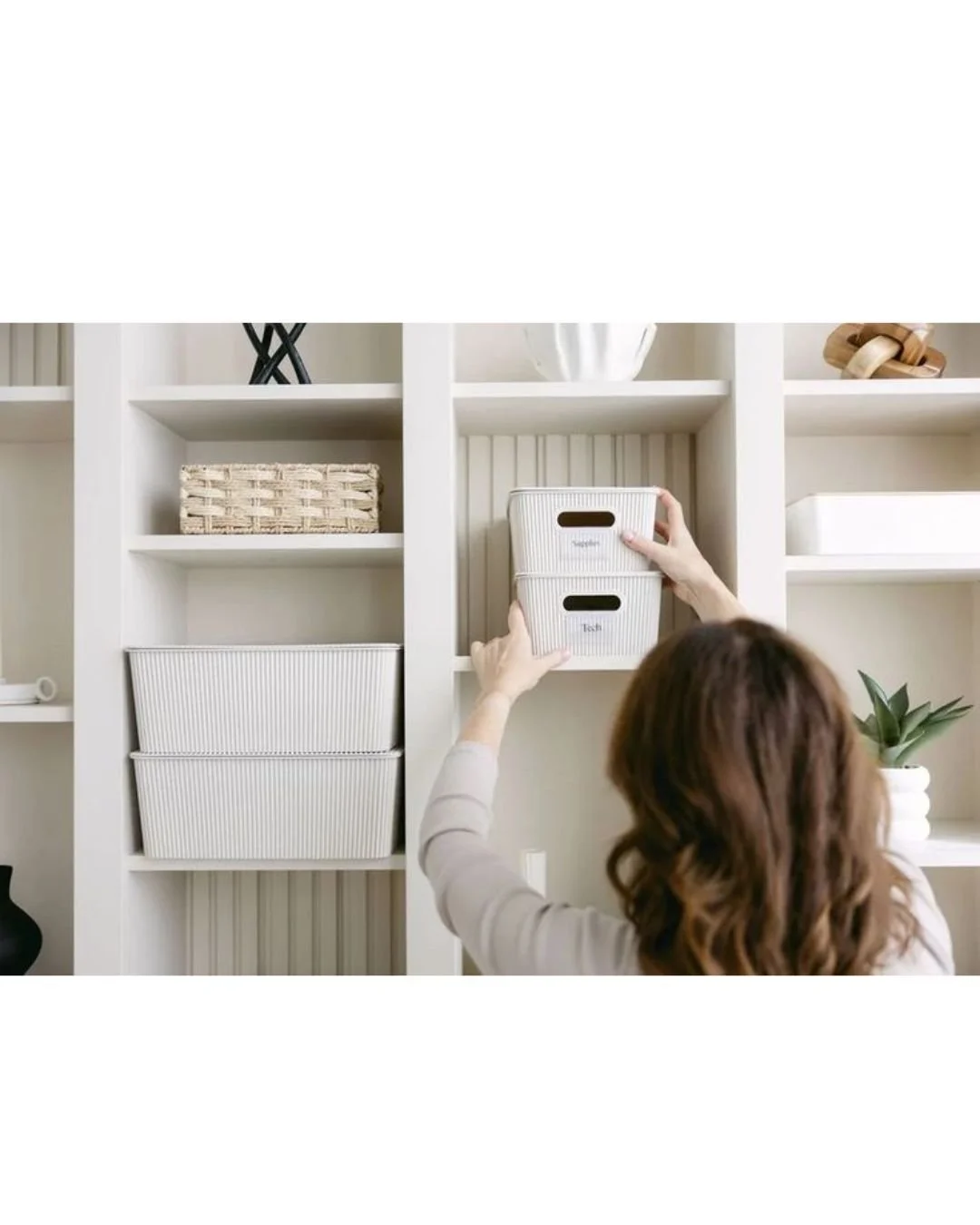
Knowing What to Do Is Not the Same as Being Able to Do It
One of the most misunderstood parts of organising is the gap between knowledge and execution.
Many of the people I work with know exactly what they should do. They understand the logic. They can explain the system. They’ve watched the videos, read the blogs, and bought the containers.
And yet, they still can’t keep things going.
This isn’t a motivation problem. It’s not a failure of discipline. It’s a mismatch between the demands of the system and the reality of how someone functions day to day.
Systems that rely on memory, consistency, and follow-through will always fail people whose attention, energy, or focus fluctuates. That doesn’t mean those people are incapable. It means the system is asking for the wrong things.
When Organising Becomes a Source of Shame
Because organising advice is often presented as universal, failure starts to feel moral.
If the method works for others, why not for you?
If the steps are clear, why can’t you follow them?
If you care enough, shouldn’t you be able to keep it up?
This is where shame creeps in. And shame is one of the biggest blockers to sustainable change.
When organising becomes another area where you feel behind or inadequate, your nervous system goes into protection mode. Avoidance increases. Overwhelm grows. Starting becomes harder, not easier.
At that point, the problem is no longer the clutter. It’s the emotional weight attached to it. And the longer that weight sits there, the harder it becomes to begin.
If organising feels emotionally heavier than it should, that’s not a decluttering issue. That’s a design issue. And it’s fixable.

This Is a Design Problem, Not a Personal One
When something fails repeatedly under predictable conditions, we don’t call it a personal flaw. We call it poor design.
If a chair collapses every time someone sits on it, the chair is the problem.
If a system collapses every time life gets busy, the system is the problem.
Homes and organising systems need to be designed around how people actually live and function, not how they should live in an idealised version of life.
That means:
Fewer steps, not more
Visibility over memory
Ease over perfection
Systems that work on low-energy days, not just good ones
When organising starts from this perspective, something important shifts. People stop blaming themselves and start adjusting their environment instead.
When systems are designed properly:
• You stop negotiating with yourself every day
• You know where things go without thinking
• Surfaces reset quickly
• Maintenance becomes automatic rather than exhausting
Organisation stops being a project. It becomes infrastructure.
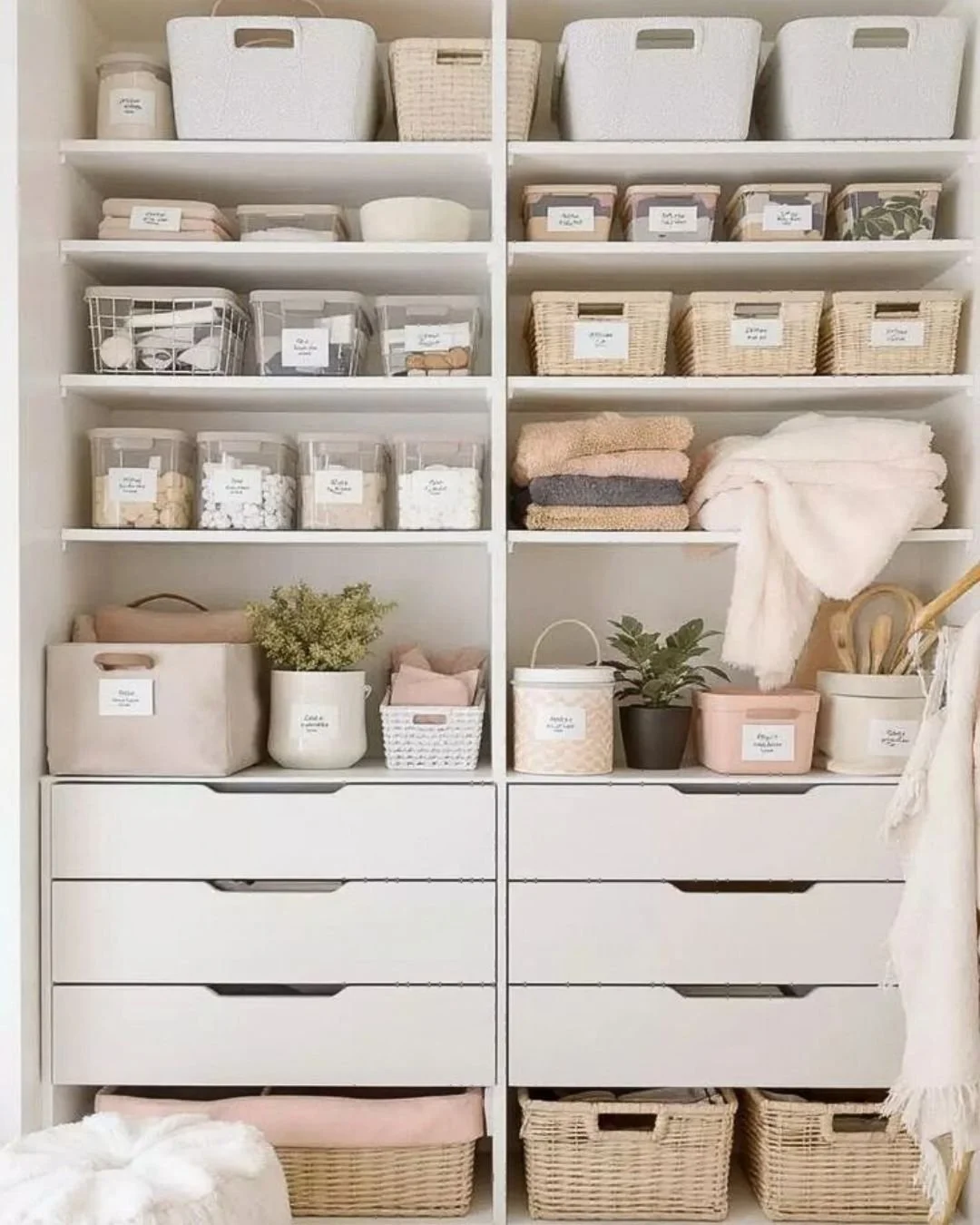
A Different Way Forward
Effective organisation isn’t about becoming more disciplined or more consistent. It’s about creating systems that support you on your hardest days, not punish you for having them.
If organising has always felt harder than it should, that’s information. Not a verdict.
Understanding why certain advice hasn’t worked for you is often the first step towards creating a home that actually helps rather than hinders.
And once you stop trying to force yourself into systems that don’t fit, organising becomes less about control and more about support.
Ready to Design a System That Actually Fits You?
If this felt uncomfortably familiar, you’re not alone. I specialise in working with people who feel like organising “should” be easier but never seems to stick.
ADHD traits. Burnout. Fluctuating energy. High mental load. Busy family life. I see it all the time. And I design systems that account for it.
My approach combines:
• Behaviour informed design
• Practical, realistic structure
• Decluttering that reduces mental noise, not just physical mess
• Systems built for low energy days
This is not aesthetic organising for Instagram. This is functional design for real life.
If you want practical steps and a home that supports your brain instead of exhausting it, book an introduction call.
We’ll simplify the problem. Then we’ll simplify your space.
