
Why Clutter Forms in Transition Spaces (And How to Fix It)
Most organising advice focuses on where things live. Drawers. Cupboards. Storage systems. Labels.
What almost no one talks about is how things move through your home.
Getting dressed in the morning.
Coming home with bags in your hands.
Switching from work mode to home mode.
Stopping one task and starting another.
These moments are called transitions. And they are where many homes quietly fall apart. I talk more about this here.
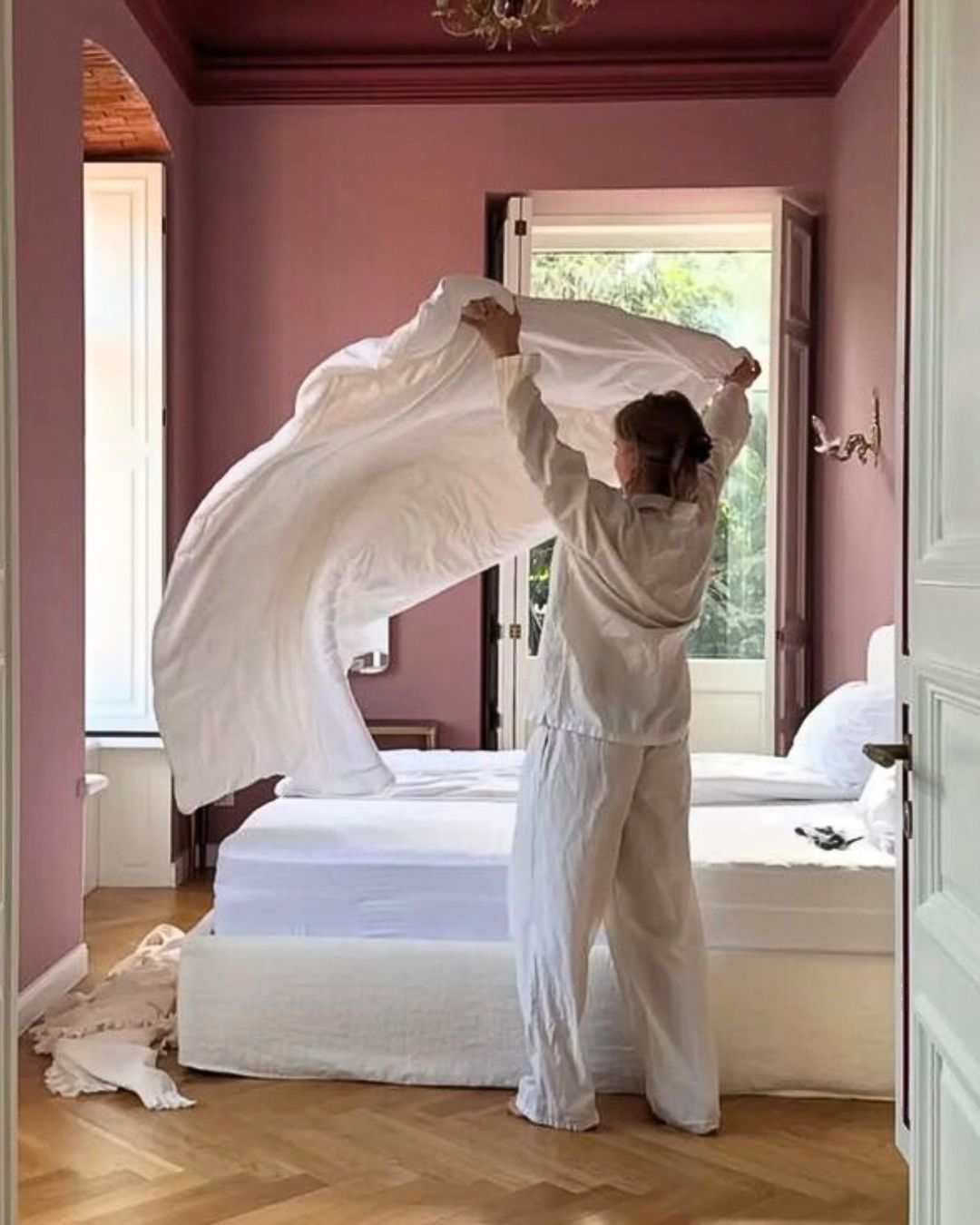
Why Clutter Forms During Daily Transitions
In many of the homes I work in, storage technically exists. There are places for things. Beautiful containers. Categorised drawers. Labelled boxes.
The issue is not a lack of organisation.
The issue is that the systems only work if you pause, remember, and follow the steps.
When you are tired, distracted, rushed, or mentally overloaded, those pauses disappear. Items get put down instead of being put away. Piles form in doorways, on tables, and next to beds.
Not because you do not care.
Because the system asks too much in the moment it is most needed.
This is why chaos often returns even after a big reset. The home has been organised for stillness, not movement.
If this sounds familiar, this is exactly the kind of friction I help clients redesign.
Transitions Are Where Energy Drops
Transitions require effort. They ask your brain to stop one thing and start another. That shift alone costs energy.
Now add:
Hidden storage
Multiple steps
Visual clutter
Unclear landing zones
Decisions about where something belongs
Friction builds quickly.
A hook behind a door works differently from a hanger in a wardrobe.
An open basket for shoes works differently from a drawer inside a cupboard.
A visible surface works differently from a system that relies on memory.
Small design decisions change behaviour. Most organising advice does not account for this.
Why “Put It Away Immediately” Rarely Works
“Put it away straight away.”
It sounds simple. But it assumes you will:
Notice the item
Interrupt what you are doing
Walk it to another room
Open storage
Place it precisely
Every single time.
That is a high-performance system.
If a system only works when you are operating at your best, it will collapse the moment your energy dips.
In the homes I design, we reverse that logic.
I ask: Where does this naturally land? What is the easiest possible next step? How can the space absorb the drop instead of resisting it?
If your home feels like it requires constant correction, that is a design signal.
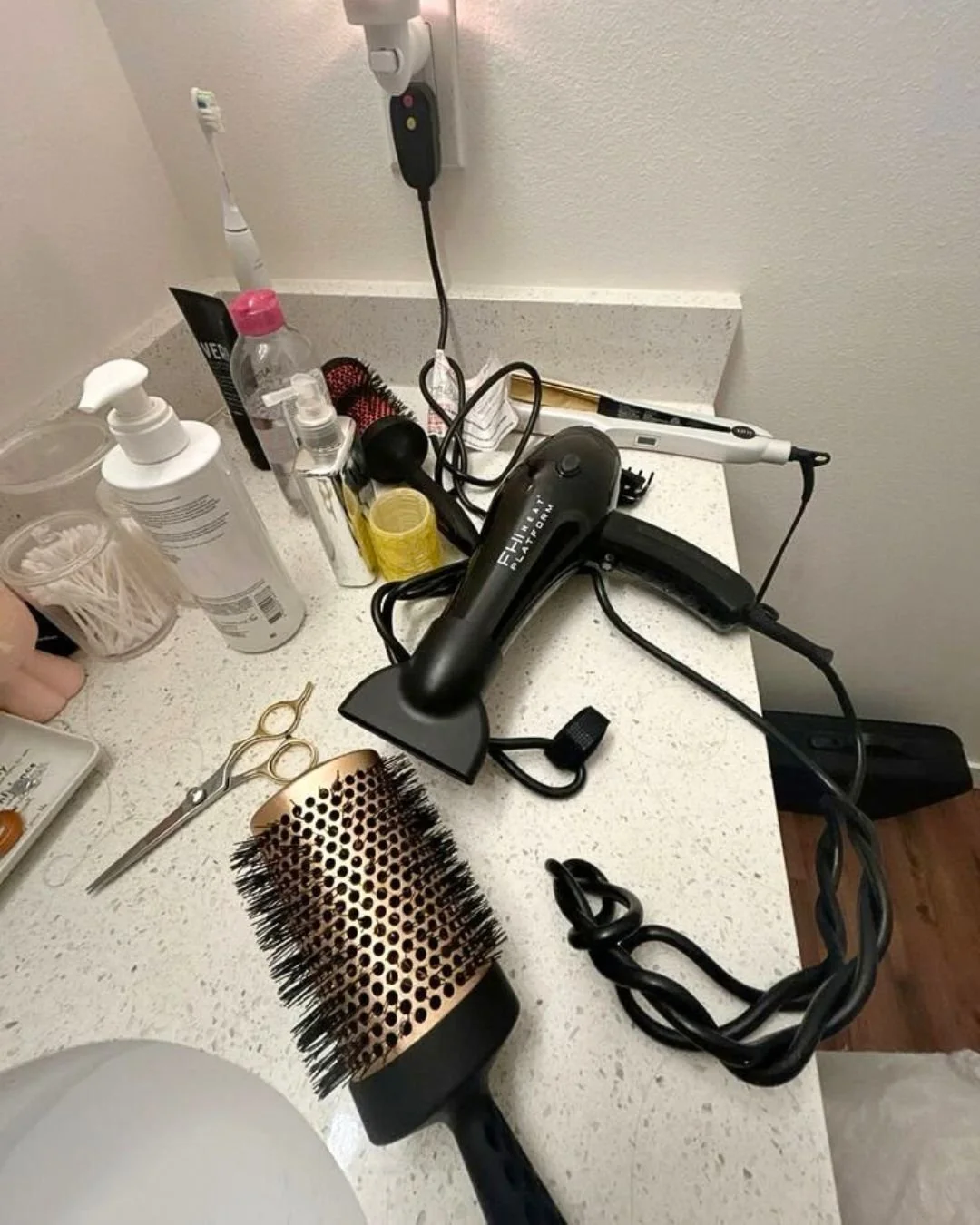
How to Design Home Organisation Systems for Real Life
So to make this even easier in daily life, I then identify friction points in real time.
Where does the bag actually land?
Where do shoes come off?
Where does paperwork pause?
Where do clothes pile at the end of the day?
Instead of fighting those patterns, we design around them.
That might look like:
A visible drop zone by the door instead of hidden hallway storage
A chair that is intentionally designated for worn but not dirty clothes
A tray that collects daily essentials instead of expecting an empty surface
A basket that absorbs the laundry pile instead of demanding immediate sorting
These are not aesthetic decisions. They are behavioural ones.
When transitions are supported, maintenance becomes lighter without extra effort.
The Real Shift
Most people think they need more discipline. In reality, they need fewer transition barriers.
When a home supports movement, you stop negotiating with yourself, you reset faster, you recover more easily after busy days, and you spend less energy managing the space.
Organisation becomes integrated into life instead of sitting outside it. This is the difference between a home that looks organised and one that functions smoothly.
If you are tired of systems that only work in theory, this is where I start.
A Practical Step You Can Try Today
Pick one transition - just one.
Notice where friction happens. Notice where something consistently lands. Notice what step feels annoying.
Now remove one barrier.
Add a hook instead of opening a cupboard.
Place a basket where the pile already forms.
Move storage closer to where the action happens.
Do not aim for perfection. Aim for easier.
That single shift often creates more lasting change than a full weekend clear-out. If you often feel like organising systems never stick, I explore why that happens in this article.
Ready to Design Around Real Life?
I specialise in helping people design homes that account for energy dips, busy days, and real movement patterns.
Not showroom layouts. Not rigid rules. Functional systems built around how you actually live.
In a 30 minute introduction call, we will:
Identify your biggest friction transitions
Map where things break down
Outline practical structural changes you can implement immediately
You will leave with clarity and direction, not a long list of tasks.
If your home works beautifully when everything is calm but collapses the moment life speeds up, transitions are likely the missing piece.
Let’s redesign them.
